
Bronze Analysis
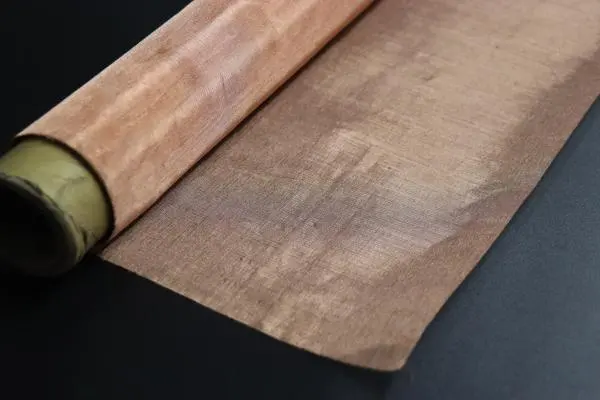
Compared with brass wire mesh, it has better corrosion resistance and strength than brass alloys. And has many of the same characteristics as copper wire mesh, such as flexibility, ductility, and durability. Corrosion resistance, electrical conductivity, and thermal conductivity are not as good as copper wire mesh, but the addition of zinc makes it stronger than copper.
95-5 Phosphor Bronze Wire Mesh
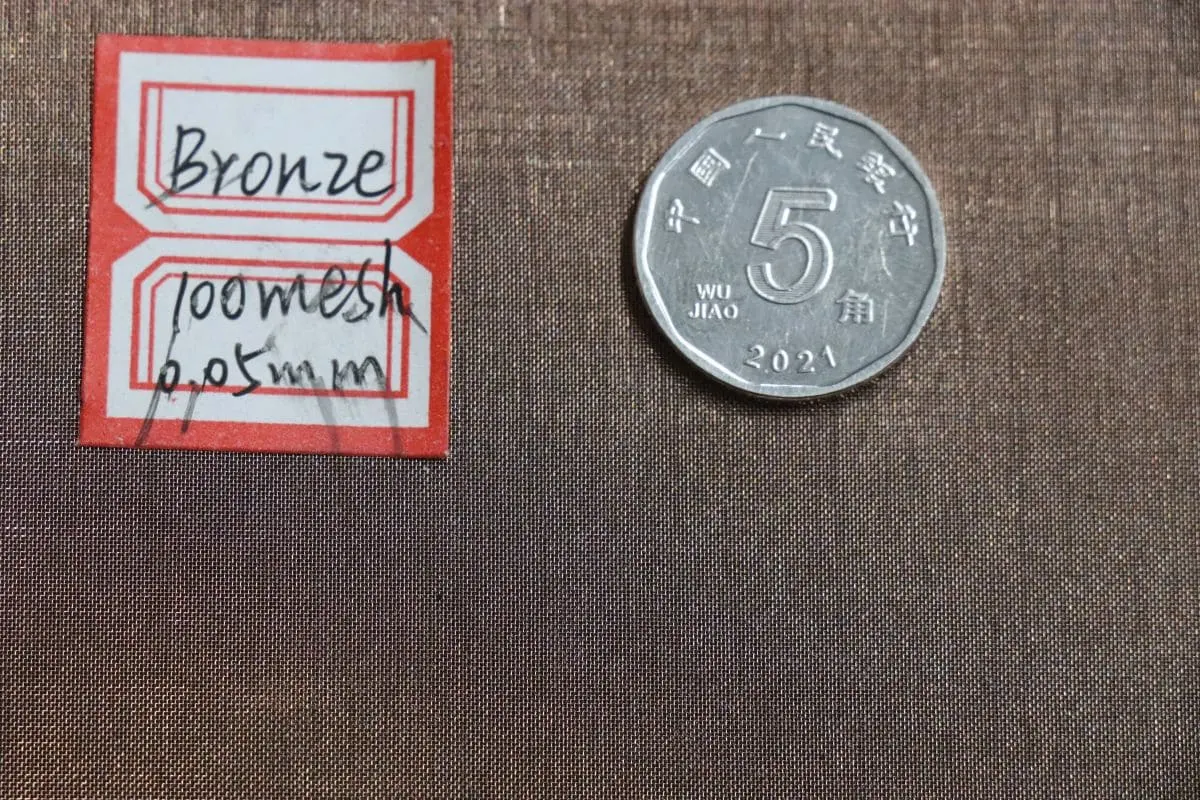
A copper-tin alloy, which is called phosphor copper wire mesh. It’s made up of 94.8% copper, 5% tin, and 0.2% phosphorus, and it has superior physical properties and corrosion resistance compared to brass and copper. The addition of tin enhances the strength and corrosion resistance, while a small amount of phosphorus increases its stiffness and wear resistance. This makes it the perfect choice for weaving fine bronze wire mesh with a small diameter.

| Type | Copper [Cu] | Zinc [Zn] | Tin[Sn] |
|---|---|---|---|
| CDA 220 / UNS C22000 | 90.00 | 10.00 | 0.00 |
| CDA 510 / UNS C51000 | 95.00 | 0.00 | 5.00 |
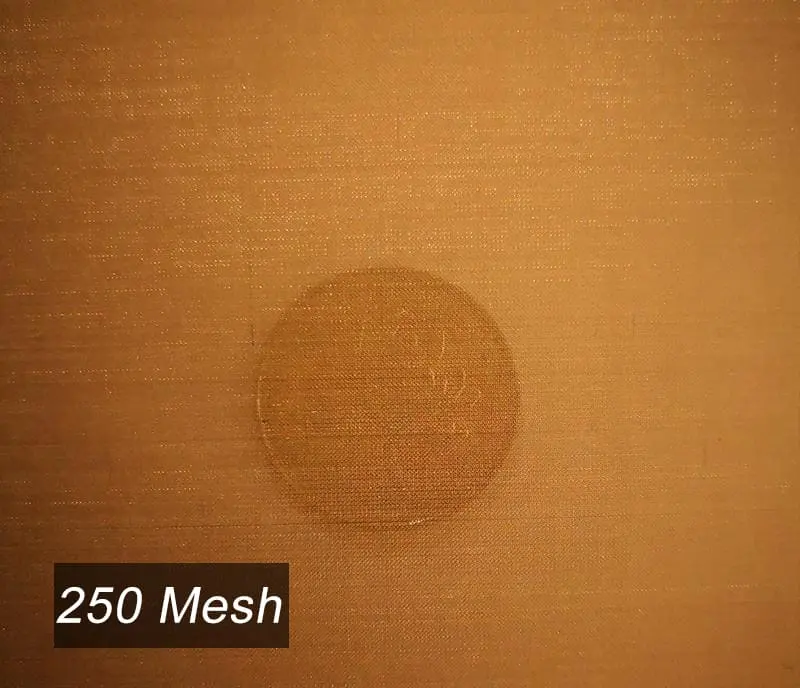
250-400 Mesh
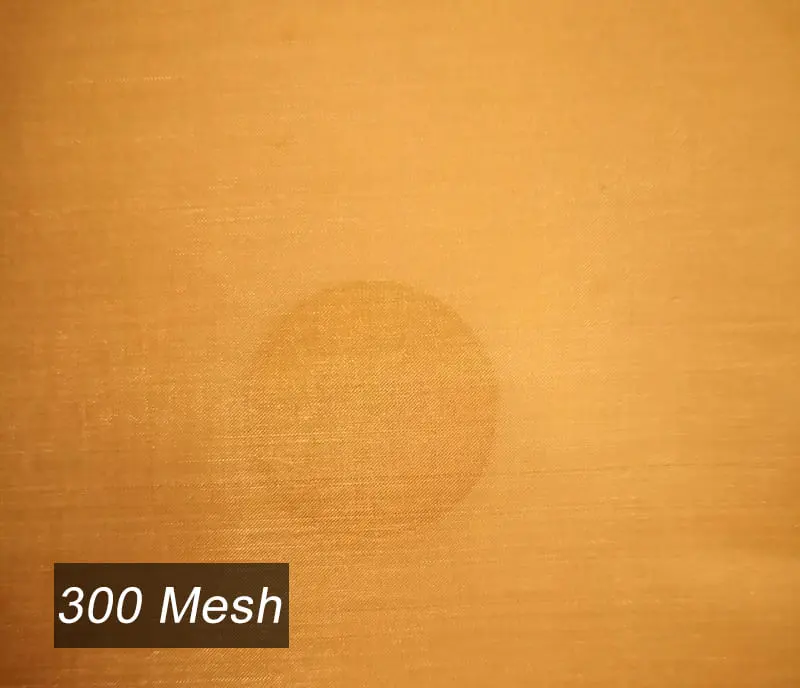
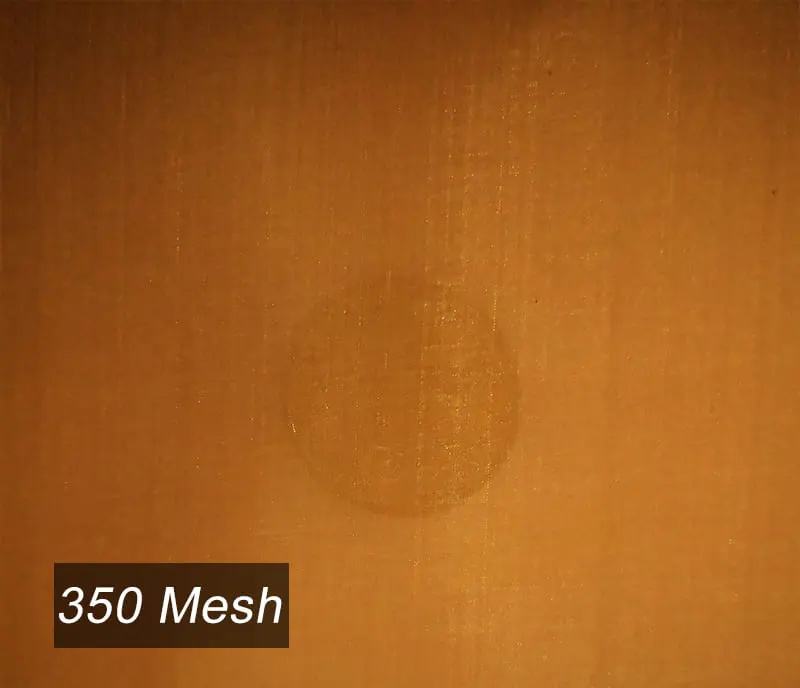
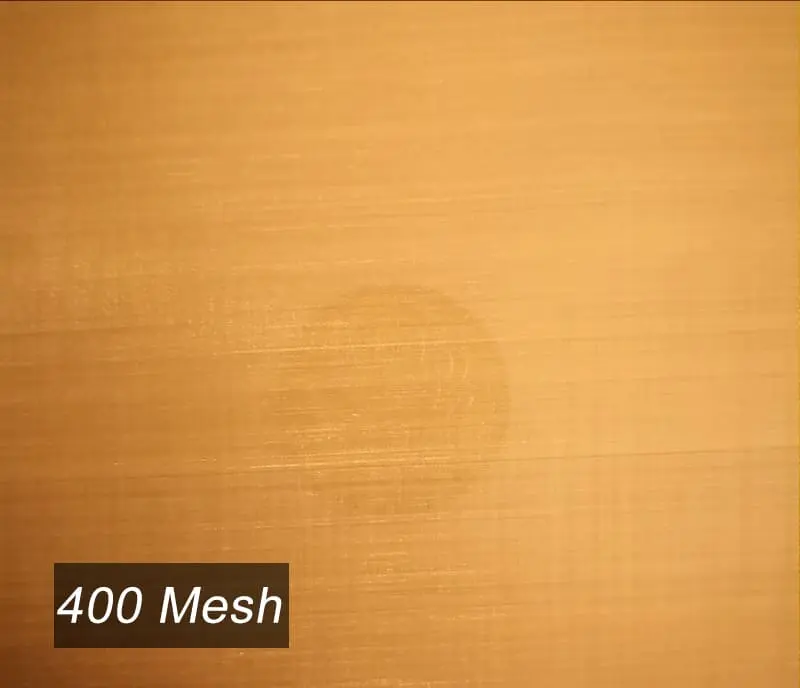
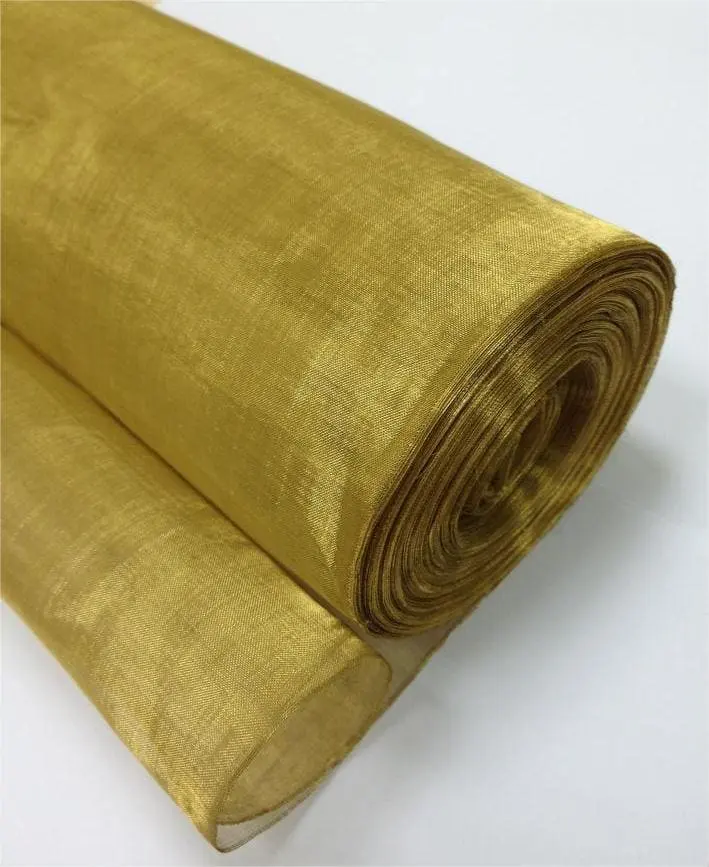
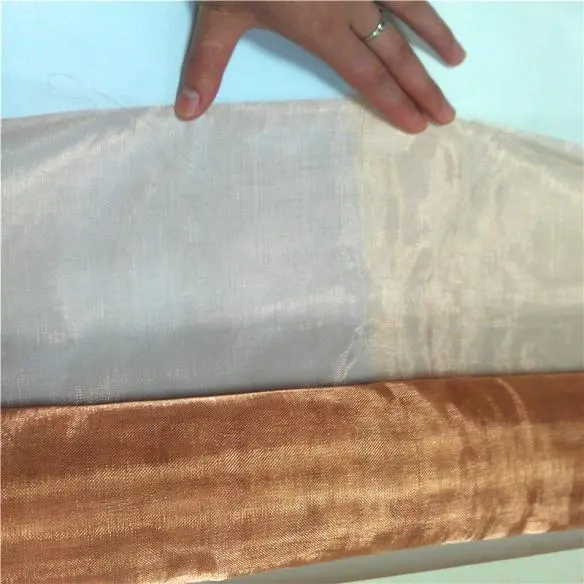
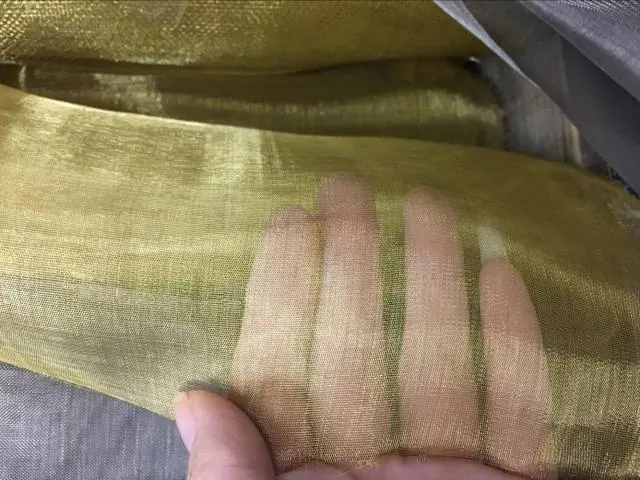
Characteristics
Features of Bronze Wire Mesh
- 90-10 commercial bronze wire mesh
- 95-5 phosphor bronze wire mesh
- The color is bronze (brown-red) and will turn green-brown after the patina.
- Better corrosion resistance than brass wire mesh can be used in seawater environments.
- Flexible, durable, and ductile.
- Sturdier than copper wire mesh.
Applications
Like other copper mesh products, bronze wire mesh has applications ranging from a variety of marine and military applications to commercial and residential indoor and outdoor decoration. It is also commonly used in filtration and separation applications in the industry. There are only certain differences in performance.