SS304 Analysis
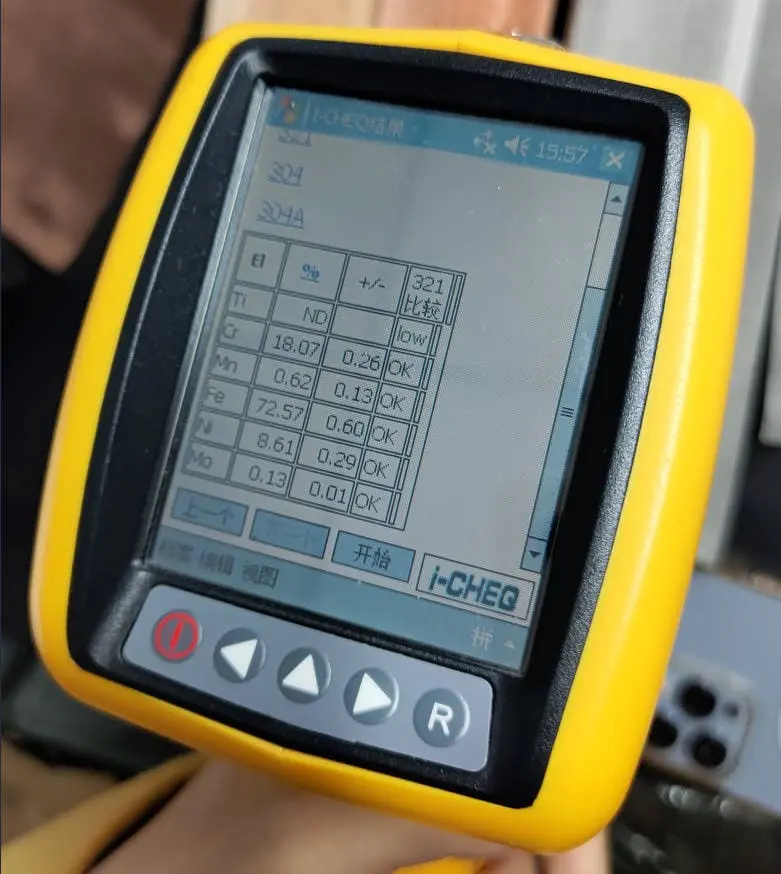
Type 304 (T304, SS304) is a basic chromium-nickel alloy. Usually, the content of chromium is 18% -20%, and the content of nickel is 8% -10.5%. The combination of this ratio makes it also known as 18-8 stainless steel. Nickel is an important part of 304 stainless steel. The level of nickel content directly affects the formability, weldability, and ductility of 304 stainless steel, and at the same time improves certain corrosion resistance. Chromium makes more contribution to the corrosion resistance. It will form a self-healing protective layer of chromium oxide on the surface of stainless steel to protect the underlying metal from corrosion.
In the chemical composition of 304 stainless steel, there are three grades according to the carbon content: 304, 304L and 304H. The most commonly used standard is 304, and the other two are relatively rare. The maximum carbon content of 304L is 0.03%, which is more suitable for welding applications, while the carbon content of 304H is 0.04-0.10%, which is more suitable for high-temperature applications.
| Type | Carbon [C] | Manganese [Mn] | Phosphorus [P] | Sulfur [S] | Silicon [Si] | Chromium [Cr] | Nickel [Ni] | Nitrogen [N] |
|---|---|---|---|---|---|---|---|---|
| SS304 / UNS S30400 | 0.08 | 2.00 | 0.045 | 0.030 | 1.00 | 18.0–20.0 | 8.0–10.5 | 0.10 |
| SS304L / UNS S30403 | 0.03 | 2.00 | 0.045 | 0.030 | 1.00 | 18.0–20.0 | 8.0–10.5 | 0.10 |
| SS304H / UNS S30409 | 0.10 | 2.00 | 0.045 | 0.030 | 1.00 | 18.0–20.0 | 8.0–10.5 | 0.10 |
Properties
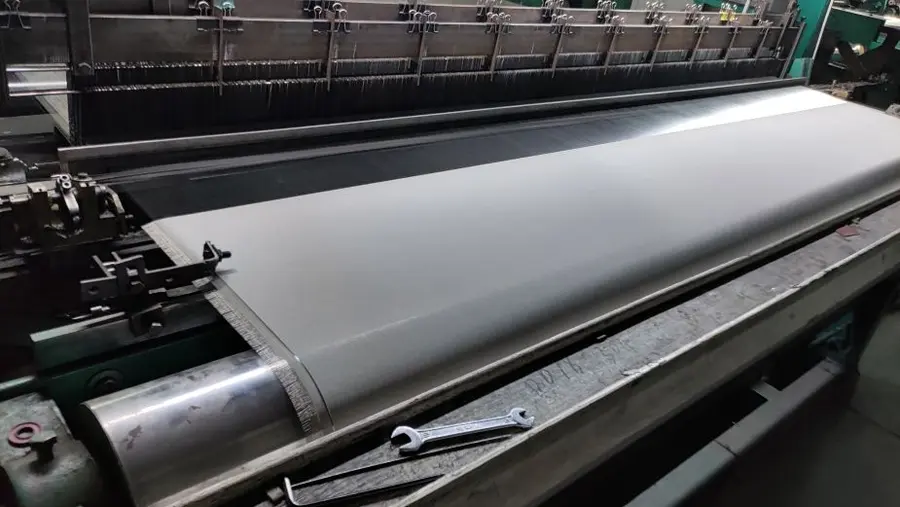
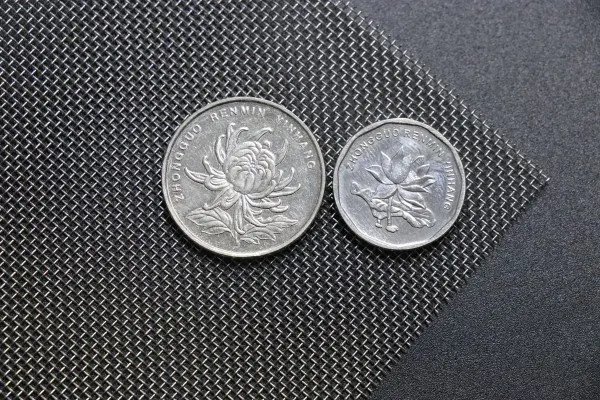
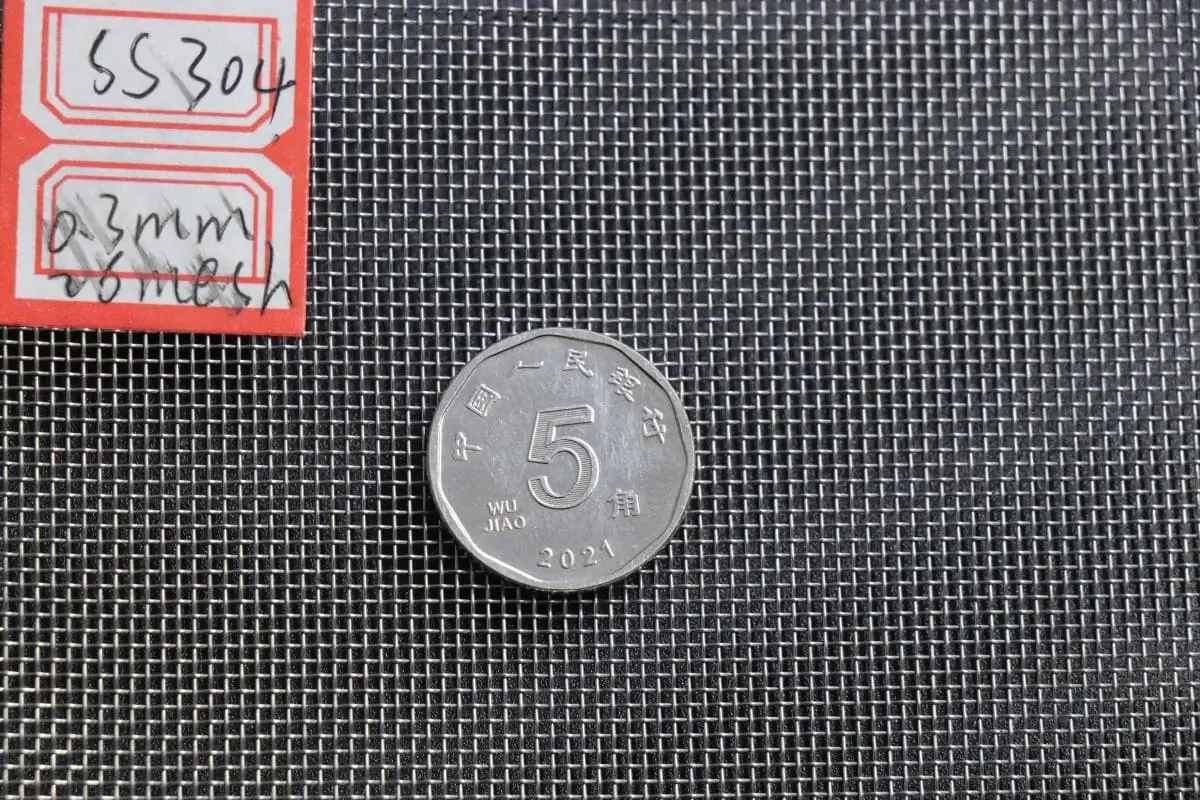
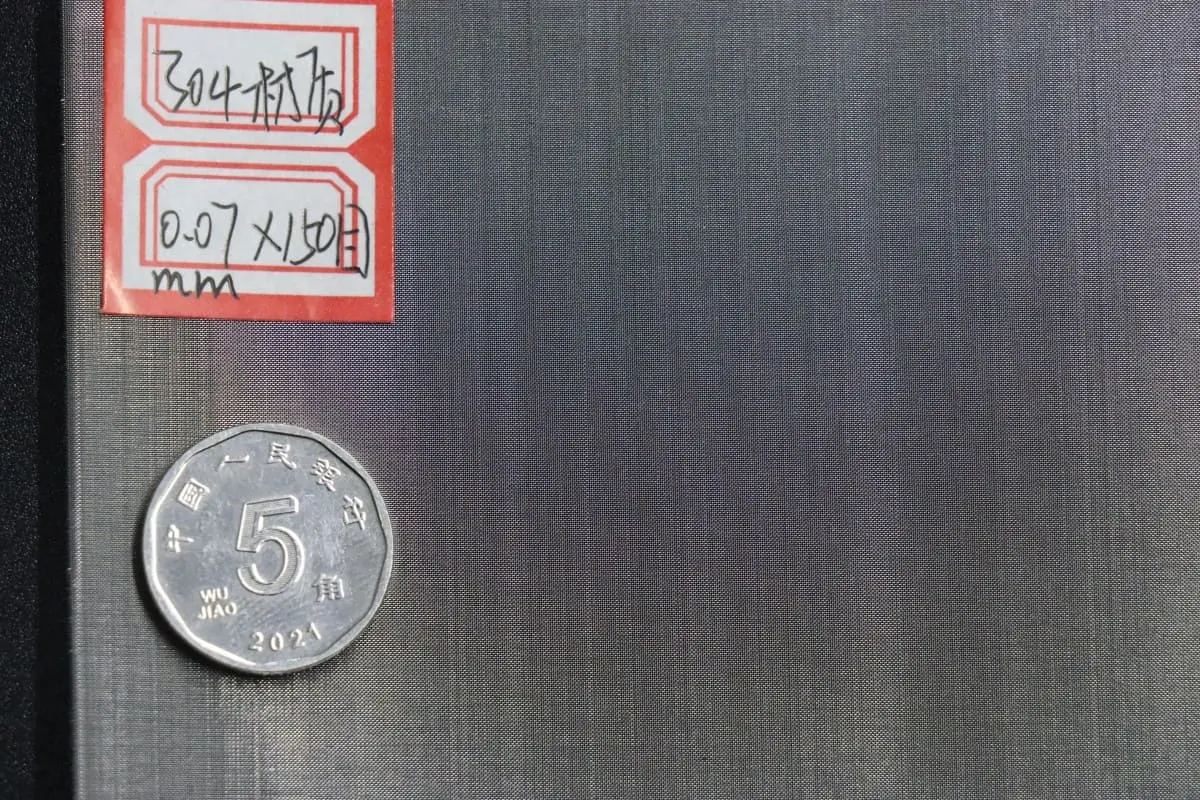
Due to its wide range of characteristics and popularity, 304 stainless steel mesh has become the most common and easily available wire mesh of all types of woven mesh.
- The most common austenitic stainless steel wire mesh.
- Non-magnetic in the annealed state.
- Will become weakly magnetic during cold working.
- Excellent formability.
- Good antioxidant properties are not easy to rust.
- Waterproof and fireproof properties.
- Non-polluting and hygienic properties.
- Excellent corrosion resistance in a wide range of industrial and chemical environments.
- Corrosion resistance is not as good as 316 stainless steel wire mesh, but acceptable for most uses.
- Affordable and lower cost than 316 stainless steel wire mesh.
- The Melting temperature is 2,600 ℉ (1430 ℃).
- The best temperature for continuous work is 1450 ℉ (790 ℃).
- The best temperature for intermittent work is 1650 ℉ (900 ℃).
- Good processing performance: weaving, stamping, cutting, bending, welding, etc.
Applications
304 stainless steel mesh is widely used in various applications as chromium-nickel stainless steel. Because of its corrosion resistance, moisture resistance, and pollution-free sanitary characteristics, it is widely used in the food, pharmaceutical, and chemical industries. It is also commonly used in the filtration and screening of liquid, powder and other solids. Waterproof and fireproof properties also make it applicable to the architectural field.