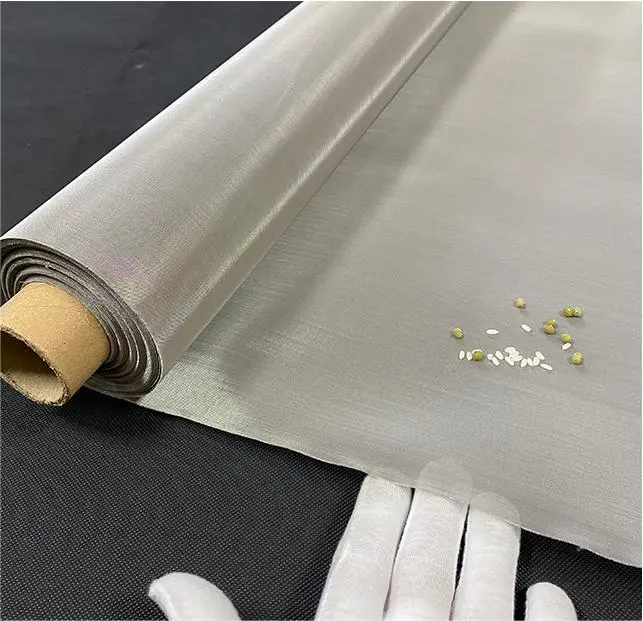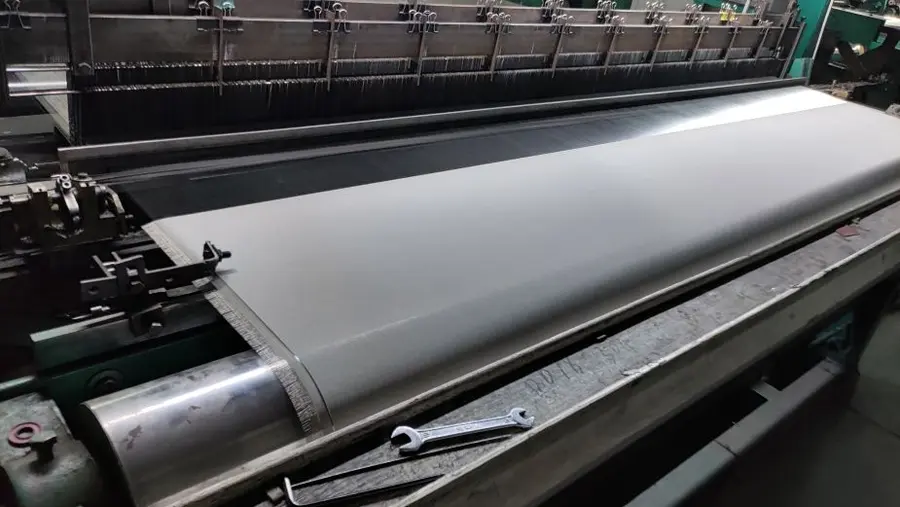
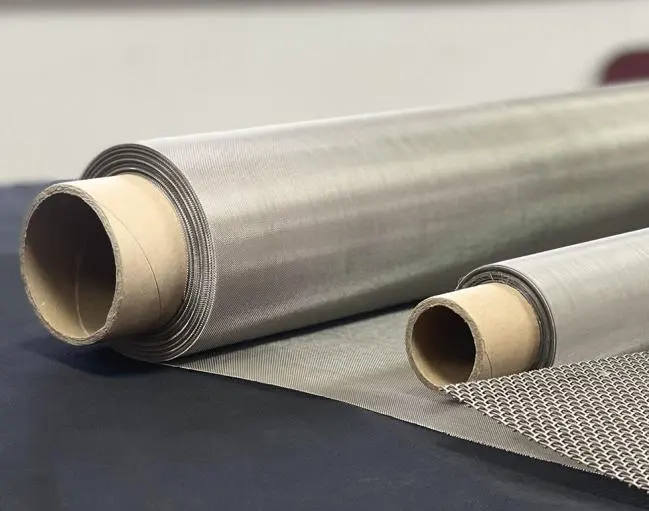
904L Stainless Steel Analysis
As an austenitic stainless steel alloy, 904L stainless steel has a high nickel, chromium, and molybdenum content, which provides excellent resistance to pitting and crevice corrosion, as well as stress corrosion cracking in chloride environments, especially in corrosive environments. Compared with other stainless steel grades, it has a lower carbon content, which gives it an excellent ability to resist intergranular corrosion. The addition of copper improves the alloy’s resistance to sulfuric acid and reduces the corrosion risk in chloride environments. The balance of iron provides the material with structural stability.
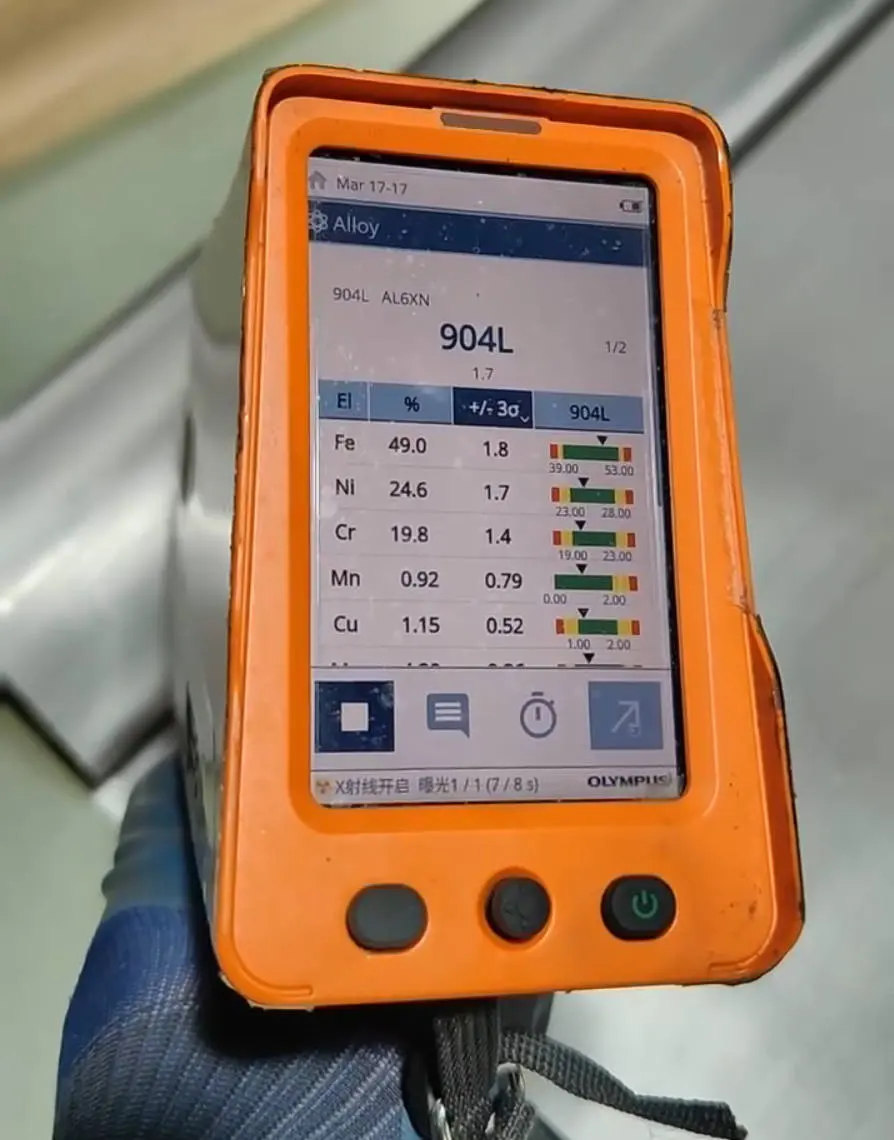
The chemical composition of 904L stainless steel is as follows:
| Carbon (C): | Silicon (Si): | Manganese (Mn): | Phosphorus (P): | Sulphur (S): | Chromium (Cr): | Nickel (Ni): | Molybdenum (Mo): | Copper (Cu): | Iron (Fe): |
|---|---|---|---|---|---|---|---|---|---|
| 0.02% max | 1.00% max | 2.00% max | 0.045% max | 0.035% max | 19.00% – 23.00% | 23.00% – 28.00% | 4.00% – 5.00% | 1.00% – 2.00% | balance |
904L stainless steel is widely utilized in numerous industries, such as chemical processing, oil and gas, pulp and paper, and more. Its impressive ability to withstand corrosion from seawater and other chlorine-laden environments has made it a preferred choice for marine engineering. Its remarkable welding and forming capabilities, make it ideal for producing various equipment, such as storage tanks, heat exchangers, pipes, and fittings, among others.