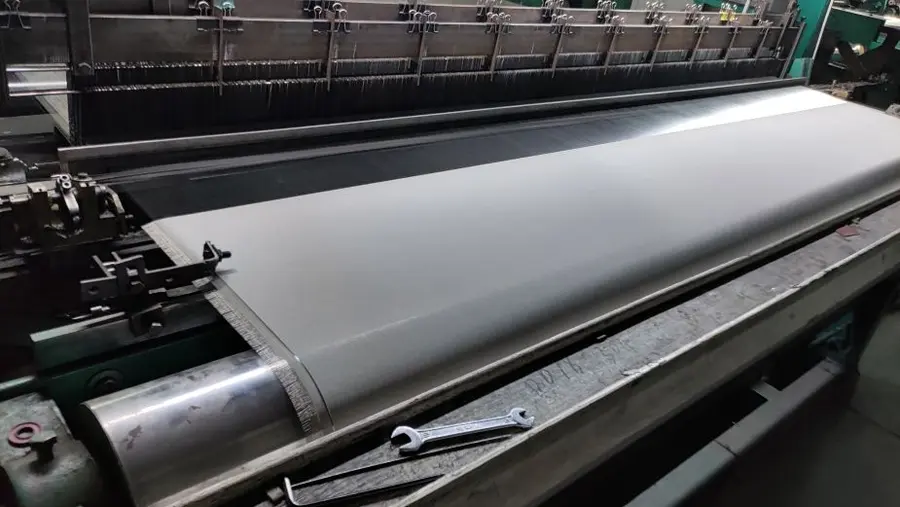
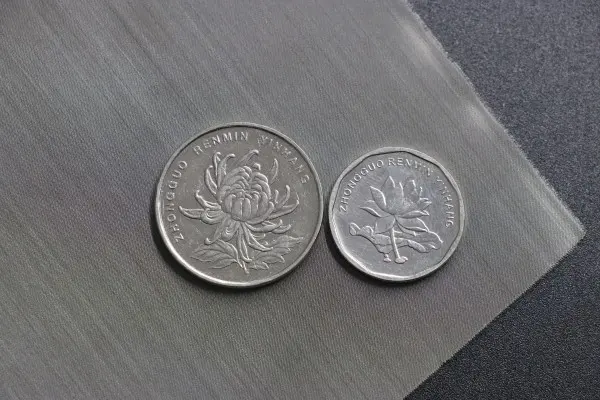
SS316 Analysis
316 stainless steel is also a chromium-nickel alloy with a chromium content of usually 16-18% and a nickel content of 10-14%. The difference is that 316 stainless steel also contains 2-3% molybdenum. The increase of the molybdenum element has greatly improved its corrosion resistance and high-temperature strength. In harsh environments containing large amounts of corrosive elements (such as salt, acid, sulfur water, or brine), 316 stainless steel is often considered one of the most suitable options.
Like 304 stainless steel, 316 stainless steel is also available in a low carbon version: 316L stainless steel. More suitable for applications requiring welding.
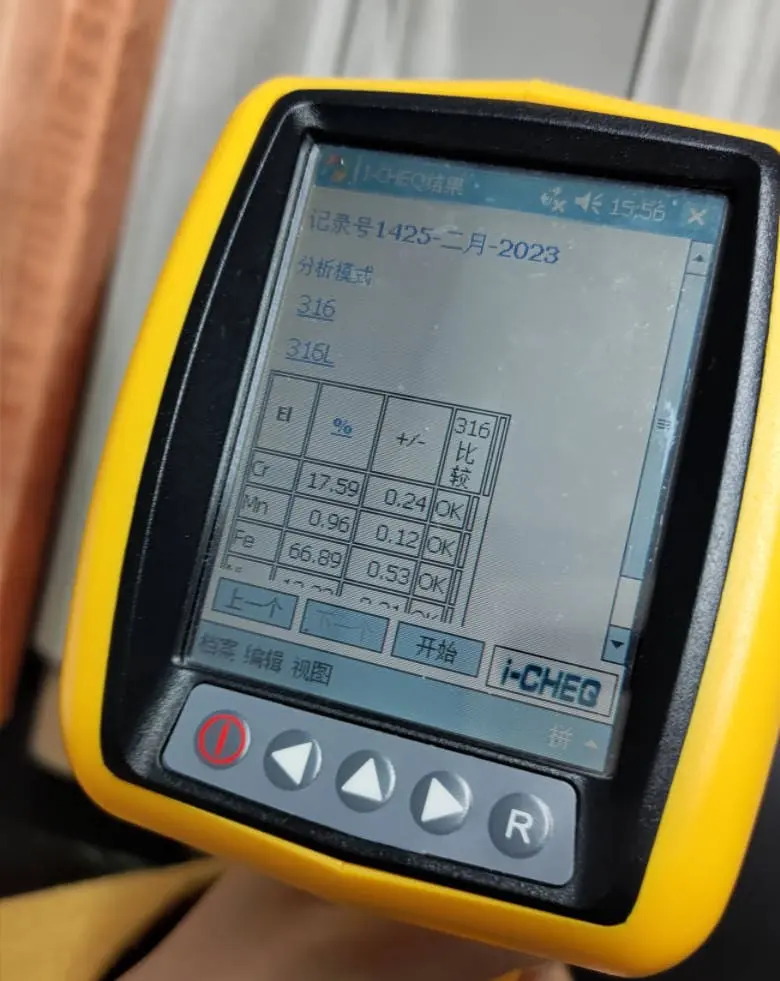
| Type | Carbon [C] | Manganese [Mn] | Phosphorus [P] | Sulfur [S] | Silicon [Si] | Chromium [Cr] | Nickel [Ni] | Molybdenum [Mo] | Nitrogen [N] |
|---|---|---|---|---|---|---|---|---|---|
| SS316 / UNS S31600 | 0.08 | 2.00 | 0.045 | 0.030 | 1.00 | 16.0-18.0 | 10.0-14.0 | 2.00-3.00 | 0.10 |
| SS316L / UNS S31603 | 0.03 | 2.00 | 0.045 | 0.030 | 1.00 | 18.0–20.0 | 10.0-14.0 | 2.00-3.00 | 0.10 |
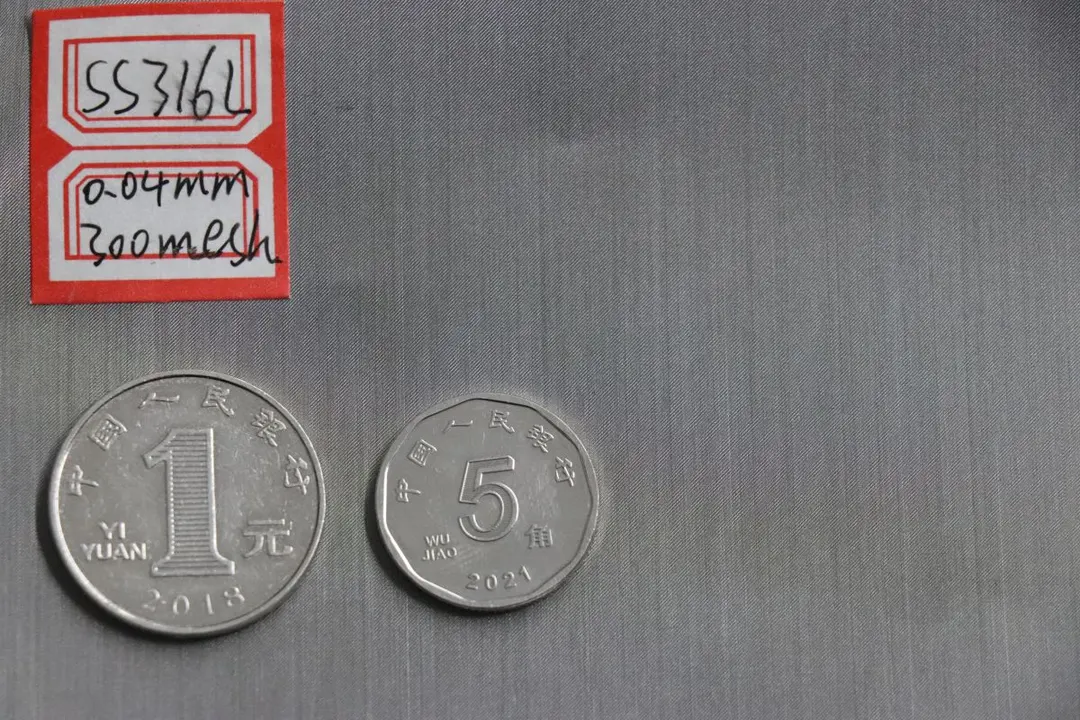

Characteristics
316 stainless steel has the same and stronger characteristics than 304 stainless steel.
- The second most common austenitic stainless steel wire mesh.
- Non-magnetic in the annealed state.
- Will become weakly magnetic during cold working.
- Good antioxidant properties are not easy to rust.
- Waterproof and fire-resistant.
- Non-polluting and hygienic properties.
- High-temperature resistance and pitting resistance.
- Usually as an alternative to 304 stainless steel when higher corrosion resistance is required.
- Melting temperature is 2,500 ℉ (1375 ℃).
- The best temperature for continuous work is 1500 ℉ (815 ℃).
- The best temperature for intermittent work is 1650 ℉ (900 ℃).
- Good processing performance: weaving, stamping, cutting, bending, welding, etc.
Applications
These advantages make 316 stainless steel wire mesh commonly used in some applications that require higher corrosion resistance and higher strength and hardness.